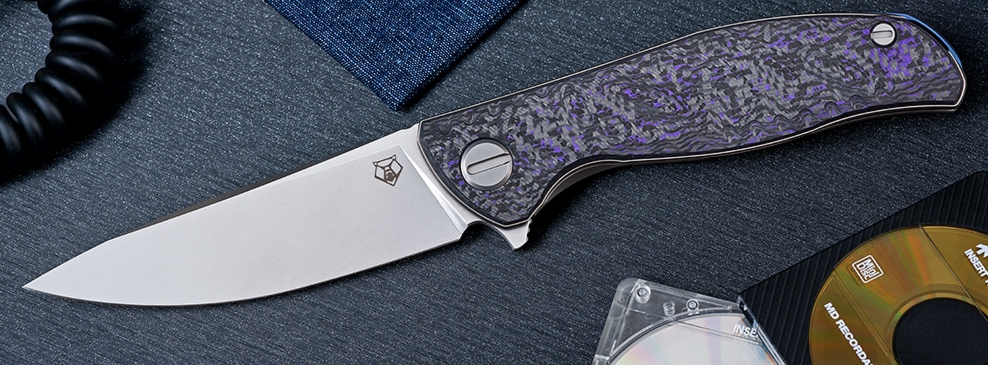
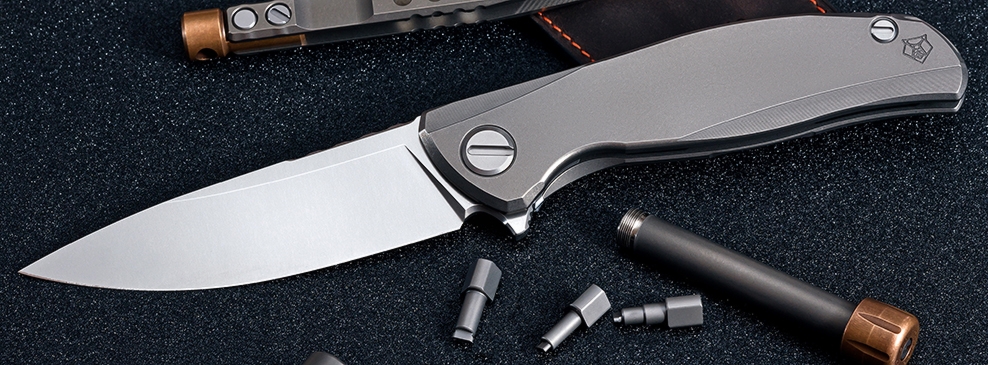
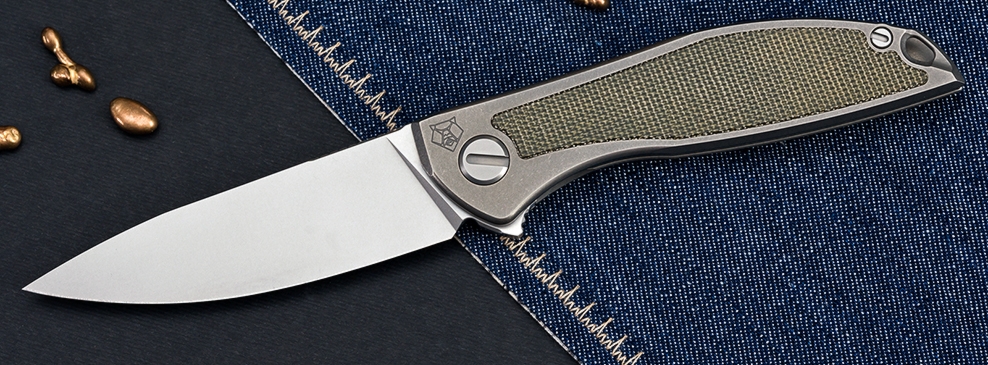
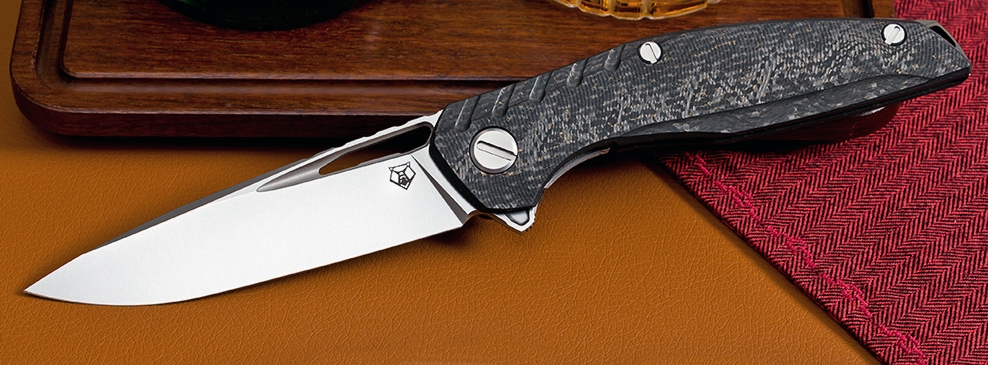
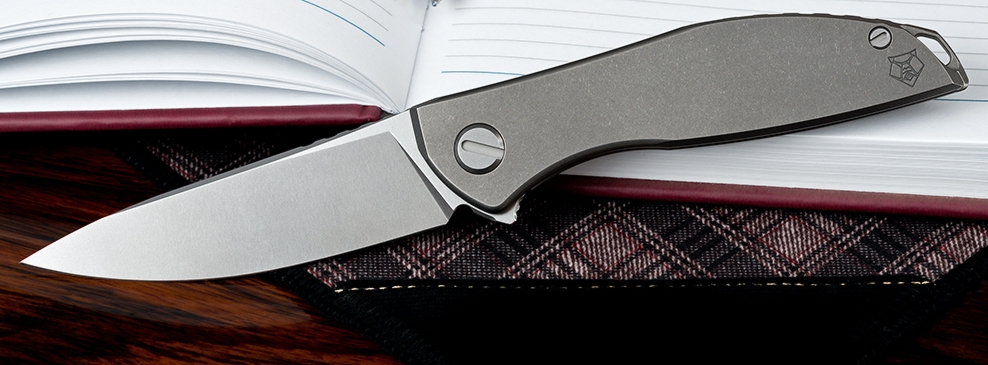
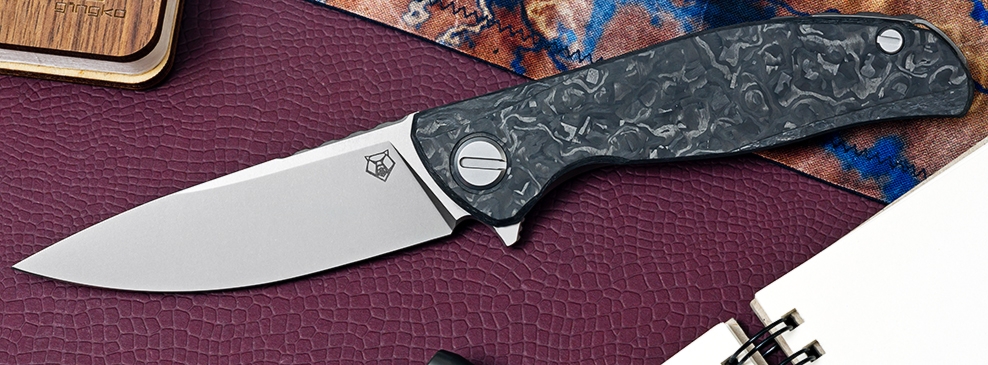
Q95 Ursus
Q95 UrsusDesign by S.Shirogorov ©
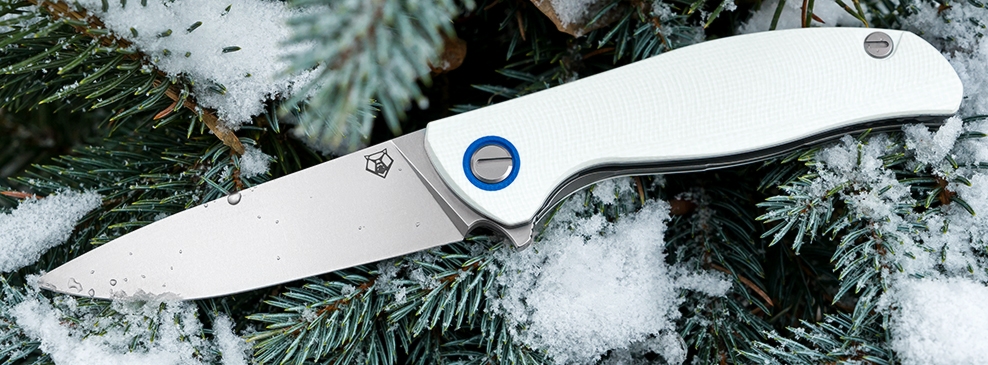
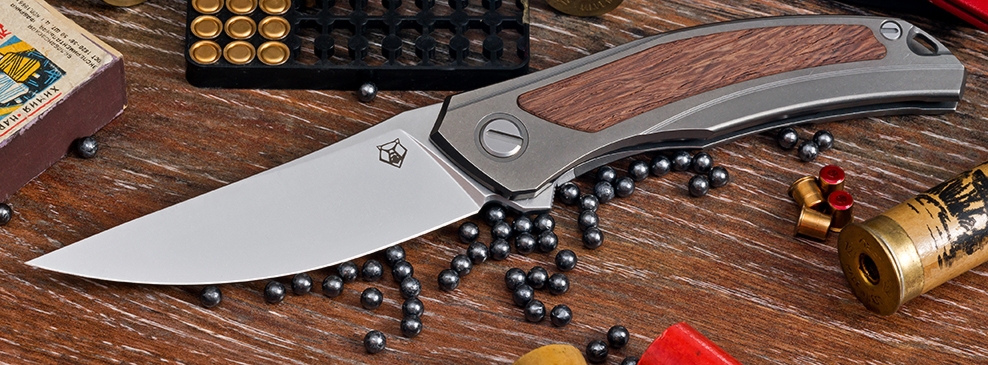
Hati
Hati Design by S.Shirogorov ©
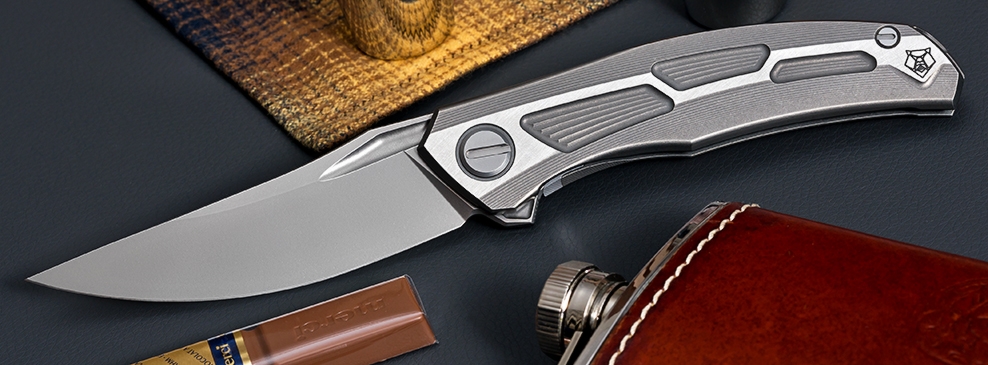
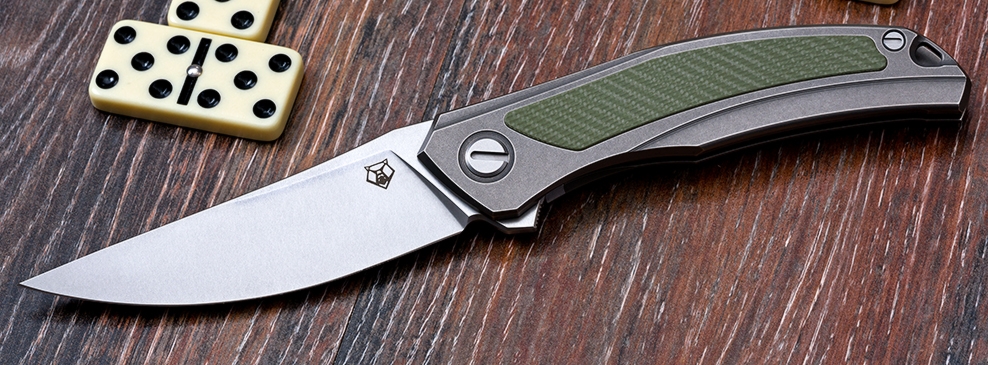
Stellar CF
Stellar CFDesign by S.Shirogorov ©
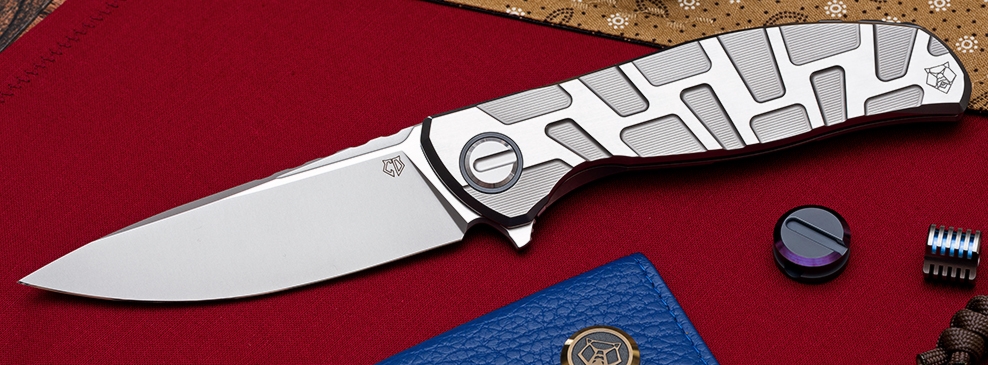
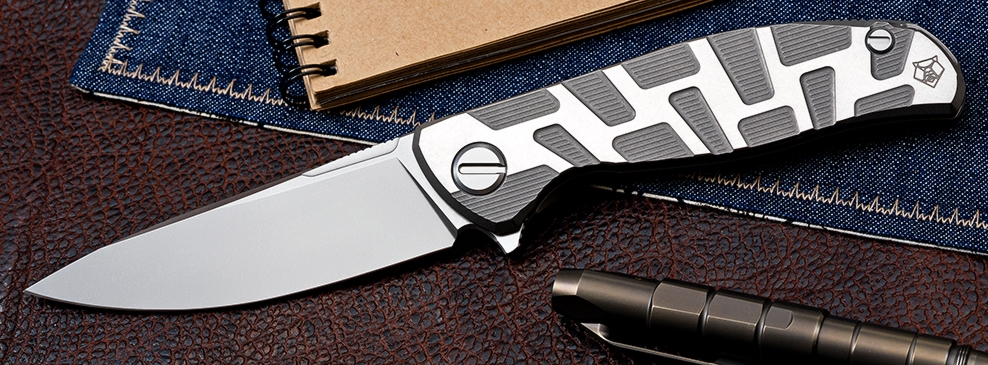
F95 Zero
F95 ZeroDesign by S.Shirogorov ©
TOOL
TOOLDesign by S.Shirogorov ©
F95 Braces
F95 BracesDesign by S.Shirogorov ©
Neonix CD
Neonix CDDesign by S.Shirogorov ©
Hati
HatiDesign by S.Shirogorov ©
CDX
CDXDesign by D.Sinkevich ©
F95 BearPattern
F95 BearPatternDesign by S.Shirogorov ©
NeOn Lite
NeOn LiteDesign by S.Shirogorov ©
11 августа 2022 г., 10:38Администратор

Disassembly and maintenance. This is an area where you (with certain generalization) can split our collectors into two camps – the first one makes it look a total breeze, while the other one tries to avoid it like the plague. Well, let’s try to get as many of the latter to join the former.

For starters – why would you disassemble a folding knife in the first place? After all, as the good old saying (popular among engineers and technicians alike) goes – ‘If it ain’t broke, don’t fix it’. And indeed, we have plenty of examples when users of our knives have not disassembled them for literally years, used them within reason (EDC tasks), and everything worked fine. Every now and then you can just swipe the inside of the handle with a Q-tip to remove the visible pocket lint and dirt.

And the knife would look like new again. Another alternative to disassembly would be rinsing the knife in lukewarm running water (i.e. from the tap), then drying it out (with a hairdryer, for example), and putting a couple of drops of lube into the pivot area.

Though to be fair we will point out that you will need to keep the steel of your knife in mind in this case – if it’s not stainless, then nothing good will come out of prolonged contact of the blade with the water. Moreover, there are stainless steels which are ‘more stainless’, there are stainless steels which are ‘less stainless’, but humankind is yet to come up with a steel which will not rust in any conditions regardless of what you do with it. So drying your knife out after rinsing it out is important.

We know, however, that there is a category of our collectors who like to disassemble their knives. Some like to fully clean their folders out, some want to apply their own lube (more or less dense than the one we are using), and others simply like to tinker with their knives because it’s fun.

But regardless of the why, if you have decided to disassemble one of your Shirogorov knives, how can you do it? And with what? We’d recommend using one of our assembly/disassembly tools. They are convenient to work with, and you don’t have to figure out which bits fit the screws, as appropriate bits are already included in our tool kits.

Next question is how far should you take your disassembly. You could (after removing the pivot screw) just pull out the blade, or you could disassemble the knife fully. In the first case, the end result won’t be miles better than just rinsing the knife out – but you won’t have to get it wet. In the second case you will, of course, be able to clean out almost every nook and cranny.

Disassembly itself has only two nuances – how to unscrew the pivot screw, and how to make sure the bearing balls don’t fly out everywhere.

If you don’t have a lot of experience in servicing knives, we recommend you wrap the ‘working end’ of the bit in electrical or painter’s tape.

This will decrease the probability of you marring the slit when trying to unscrew the pivot. In any case, we recommend using the principle of ‘if it ain’t broke, don’t fix it’ minimal gaps when selecting the appropriate bit and electrical/painter’s tape. The tighter a bit fits into a slit, the greater the area of contact of the bit and the screw. And the greater the area over which the force which you will be applying when you will be unscrewing the screw. If the bit is too small, the force will in effect be applied to only two points of contact on the screw, which will likely cause the steel of the screw to deform in those areas. Moreover, we recommend using bitholders + bits rather than screwdrivers. This is due to the heads of the bits being flat, while even flathead screwdrivers usually have a narrowing tip. So all other things equal, the area of a bit’s contact with the screw slit will be greater than that of a screwdriver.

Why can you mar a screw at all? That’s due to us loctiting the pivot screws of our knives. If no threadlocker would be used then (taking the deployment speed of our folders into consideration) sooner or later the pivot screws would start to come loose by themselves. This would first cause a little bit of blade play and, if not corrected, develop into handle wobble/play, as well. To avoid the need to carry a screwdriver alongside your knife, we use threadlocker on the pivot screw.

So, our first ‘tricky’ task is to loosen the pivot. Which is threadlocked. You have two options here – either to heat the pivot assembly (to soften up the Loctite and make it plasticine-like in consistency). Or to firmly secure the pivot assembly from spinning, and forcefully turn the pivot screw, thereby ‘pushing through’ the resistance of Loctite that has not been softened up.

If you are planning to heat up the pivot, you can do it with a regular hairdryer. After about 1 minute of heating the threadlocker will soften up, and you will be able to unscrew the pivot. When using the hairdryer it is best to wrap the knife’s handle in a towel, as the handle will heat up, as well. After the pivot has been heated sufficiently you’d need to apply pressure to the reverse part of the screw (the one on the frame/liner side) with your thumb – and it’s also best to do this through a towel. You don’t have to press in anything for the new models which come with CPS Captive Pivot System, just make sure the rear part of the pivot screw does not start sticking out above the handle in the process of unscrewing.

Compared to the hairdryer, a more effective way of softening up the Loctite would be pinpoint heating. You could use one of our tool sets for that (the one that contains a screwdriver and tweezers). The head of the tweezers is heat-conductive. It can be heated up (by a jet lighter, for example), and then put against the screw head and held there for 30 seconds.

With this method you needn’t wrap the handle in a towel, as it (the handle) will not get hot enough to be uncomfortable to hold with the naked hand. If you don’t have our tweezers, you can use any other metal object with good heat-conductive properties (e.g. something made out of bronze or copper). If the handle of your knife is made out of titanium, the size (diameter) of this object can be greater than the diameter of the screw head. But if you have composite material scales you need to make sure that the ‘heated object’ will fit within the screw head size and does not touch anything else.

After the pinpoint heating you will still need to stop the rear part of the pivot screw from rotating with your thumb (unless you have a model with CPS installed).

If you don’t want to heat the pivot at all, there is an alternate method you could use. You would need to wedge the pivot to prevent it from free-spinning while unscrewing the pivot screw. To do that, hold the knife (in the closed position) firmly in your hand (you can make a fist, as well), and squeeze the blade into the handle. Ideally you would need to apply pressure which is directed straight down from the pivot area towards the backspacer/rear standoff. That is not really feasible, but you could squeeze at an angle, and that should work fine.

When both the knife and the blade have been affixed in this manner you can simply ‘power through’ the Loctite on the pivot screw. And if your knife comes equipped with CPS there is no need to squeeze the blade into the handle at all.

After the pivot has been unscrewed you can proceed on to the body screw. Removing the latter is a lot simple, as it is not threadlocked. But it would still be prudent to get the correct bit in order to avoid damaging the screw (and if you have any doubt – it’s better to tape this bit, as well).

So, we have removed both screws. If you are only planning to pull out the blade, it’s easiest to do so by setting the knife vertically on the table, with the blade partially open, and to push out the rear part of the pivot screw (with a toothpick, for example).

After you have removed both parts of the pivot screw and the rear screw (just the part of it with the slit) you can just pull the blade out.

After that, you can carefully rub the pivot assembly with a cloth or paper wipe. Alternatively, you can use Q-tips – soak the first one in Ballistol, and wipe dry with a clean second Q-tip after that.

As the next step, put a drop of oil or lube on both bearing races, and reassemble the knife (put the blade back in, then both parts of the pivot screw, and, lastly, the body screw – we will discuss reassembly in more detail further down below).

If you want to do a complete disassembly, you can separate the scales after you have removed both the pivot and the body screw (rear part of the body screw can be pushed out with a toothpick, as well).

When separating the scales, it’s best to do it without rapid movements. Otherwise (if you yank the scales apart) the bearing balls might go flying in all directions.

Bearing races can be captive or non-captive. Captive ones hold the bearing balls in one single position (they can turn, but they cannot fall out). Non-captive ones hold the bearing balls in one plane only (the one parallel to the blade). We use non-captive bearing races.

This is not done to turn disassembly of our knives into an exciting (or not-so-exciting) quest. Non-captive bearing races have an advantage over the captive ones. They can be made flat. As in, really really flat. If you have the technology (and we do) you can ensure that the gaps between the blade, bearing race, and handle are minimal. And the smaller that gap, the less dirt and lint will get into the pivot. A non-captive bearing race is not as convenient when disassembling your knife as a captive one, but it requires disassembly less often. And you can avoid disassembly altogether if you choose to rinse out your knife as we have described above). We are just not ready to install a captive bearing race which will result in wider gaps around the pivot area. As you know, we take the tolerances in our knives quite seriously.

Due to the non-captive bearing cages it’s best to carefully separate the scales over a table or a similar surface (e.g. a workbench). Non-captive cages don’t necessarily imply that the bearing balls will go flying as soon as you open up the handles. The bearing balls are light in and of themselves, so the lube in the pivot area should keep most of them in place. But a number of them can fall out, and you should be ready for it. At the same time, you will probably want to remove the bearing balls that did not fall out and pile them together with the ones that have.

If your knife comes with scales (i.e. if you are disassembling an F3) you will first need to remove the scales, and then disassemble the handle. A non-mandatory step here would be removing the pocket clip. You don’t really need to do it, but if you so wish (and/or have a tendency for perfectionism) – you could.

At this point you should have bearing balls, screws, pins, washers, bearing races, handles, and, finally, the blade neatly arranged in front of you.


If you really want to ace it, you could put the bearing balls into a container with a degreaser. While they are ‘soaking in it’ you can fully clean out the pivot area on the blade and the handles. If you so wish, you could also wipe them with a cloth/paper towel with a degreaser, and then wipe them clean with a fresh paper towel. If you don’t degrease the bearing balls and the pivot area, it is still recommended you rub them clean. Same goes for all the screws and pins.

So, everything has been cleaned, all the dirt and lint has been removed, and the knife shines as if it’s just been used in a washing detergent commercial.

Now comes the moment of truth reassembly.

First of all you should re-seat the rear parts of the pivot and body screws (i.e. those that go in from the lockbar/linerlock side). Thereafter put the washers and bearing races back into their places in the handles (around the pivot).

Put a couple of drops of lube/oil into each of the bearing races and spread it out evenly. This will be enough to keep the bearing balls in place after you put them back in. The balls (or rollers, depending on the pivot system in your knife) themselves can, with a bit of dexterity, be reinserted with just your fingers. We do, however, recommend using tweezers to make matters easier. We do not recommend using tweezers with magnets, as in that case the bearing balls will ‘stick’ to them, and will be more difficult to place within their positions in the bearing races. And they can fly away if you try to shake them into their intended positions. Additionally, we’d recommend you use titanium tweezers, as they don’t get magnetized during use (unlike steel tweezers).

So, all the bearing balls are in place, rear parts of the screws, as well. Now you would need to put the blade back into its place, and keep it closed or half-open – whichever way is more comfortable for you, the idea here is that it presses the frame/liner down. After you put the blade back onto the pivot screw axis you could just take your hands off the partially assembled knife. Due to the tight tolerances the blade will get wedged and it won’t fly off.

But for security we would recommend holding the blade down with your finger, just in case. After that, flip the partially assembled knife over (so that the blade is facing downwards) without releasing the blade. The idea behind flipping the knife over is to make sure the open part of the bearings race from the scale which is yet to be put in place is looking upwards. Yes, the lube should hold those bearing balls in place, but it would be annoying if a single bearing ball would fly out during reassembly.

Put the front part of the handle back into place, while matching the standoffs/pins on both handles.

Thereupon (or if you have just removed the blade without separating the handles) comes the time of the pivot. Put a tiny drop of Loctite on a toothpick, and spread that drop evenly within the pin that is integral to the rear part of the pivot screw. You literally need just a tiny drop – if you put in a lot of threadlocker, it can spill over into the bearings area. Which will turn your nice folder into a nice fixed blade. If you don’t like using threadlocker, you can use plumber’s tape (which should be wrapped around the pivot screw with the thread).

Press in and hold the rear part of the pivot screw with your finger, and screw in the front part – i.e. the one with the slit (if your knife comes with CPS you don’t need to hold the rear part). With the pivot screw correctly tightened down the blade should be centered, there should be no blade play, but the blade action should be free and feel unimpeded. You can fully tighten the pivot screw first, and then gradually easen up on it (in 1/8ths of a full turn) until the action becomes ‘flowing’, but blade play has not yet appeared. After you are happy with the position of the pivot screw carefully tighten down the body screw. Don’t apply excessive pressure – body screws are somewhat thin and small, so if too much pressure is applied you could break the threading (or even the screw head).

Let the knife lay for a while, so that the threadlocker in the pivot screw can harden.

And there you go – the knife has been disassembled, serviced, oiled/lubed, reassembled, and is ready for further use.

11 августа 2022 г., 11:45Serge
Участник сообщества

Вэри гуд мануал. Сэнкью.

23 августа 2022 г., 20:50Clark Swanson
Участник сообщества

incredibly detailed and well illustrated

24 августа 2022 г., 12:30Виталий Б
Участник сообщества

Krutoy obzor 

19 июля 2023 г., 20:50Денис Федотов
Участник сообщества

I'll just put the link here for the lack of a proper thread/topic -- How to Maintain and Disassemble Shirogorov F7 Full Custom